CLASSICAL BALLET

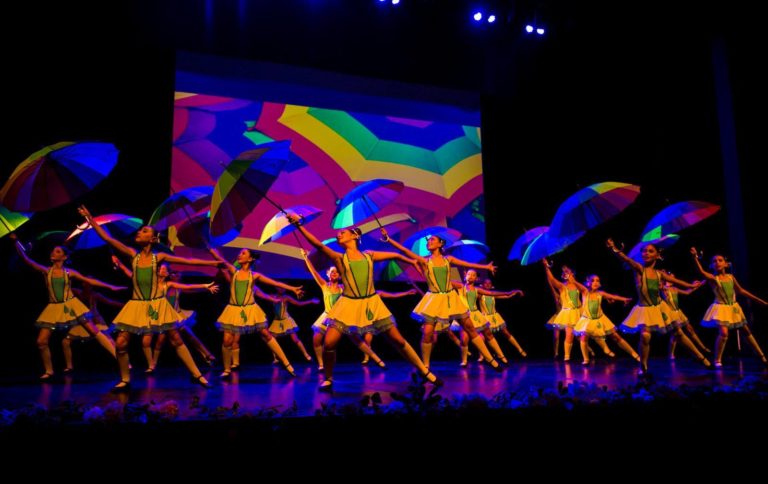
The word “ballet” was derived from the Italian word “ballare” for “to dance”. Technically, ballet can be defined as, “choreographically organized combination of dances”. Ballet is the creation of stylized performances by combining academic dance techniques with various artistic elements such as music, decor and costume. Ballet can either be dramatic (narrative) or purely aesthetic.

The birthplace of classical ballet is Italian Renaissance’s courts. Aristocrats, who threw banquets, organized dramatic dance shows that were generally about mythological themes during the amusements before and after meals. Renaissance court ballet, performed with magnificent scenery and fascinating costumes, laid the foundations of classical ballet as we know it today.

Click here for more information.
Similar Posts

  • CREATIVE DANCE

    For children, movement the most natural creative expression. Creative dance promotes healthy and balanced body development while it helps children to express themselves through movement. As the whole body engages with other art forms, improvization becomes a part of the process. There is no “right” or “wrong” in creative dance. Each course, children get involved…

  • ADULT BALLET

    The programme aims at introducing people with no prior ballet education to ballet, as well as bringing people with prior ballet education together with ballet again. Moreover, the programme also aims to improve body awareness and strength by focusing on right posture, positions, turns, aesthetics and stamina. In order to achieve this aim, our adult…

  • MODERN DANCE

    Modern dance is a genre that was developed during the early 20th century as a reaction against ballet. Modern dance, which can be performed to any style of music, improves creativity and improvization skills, and provides your body with the opportunity to move freely by enabling you to use your body comfortably.